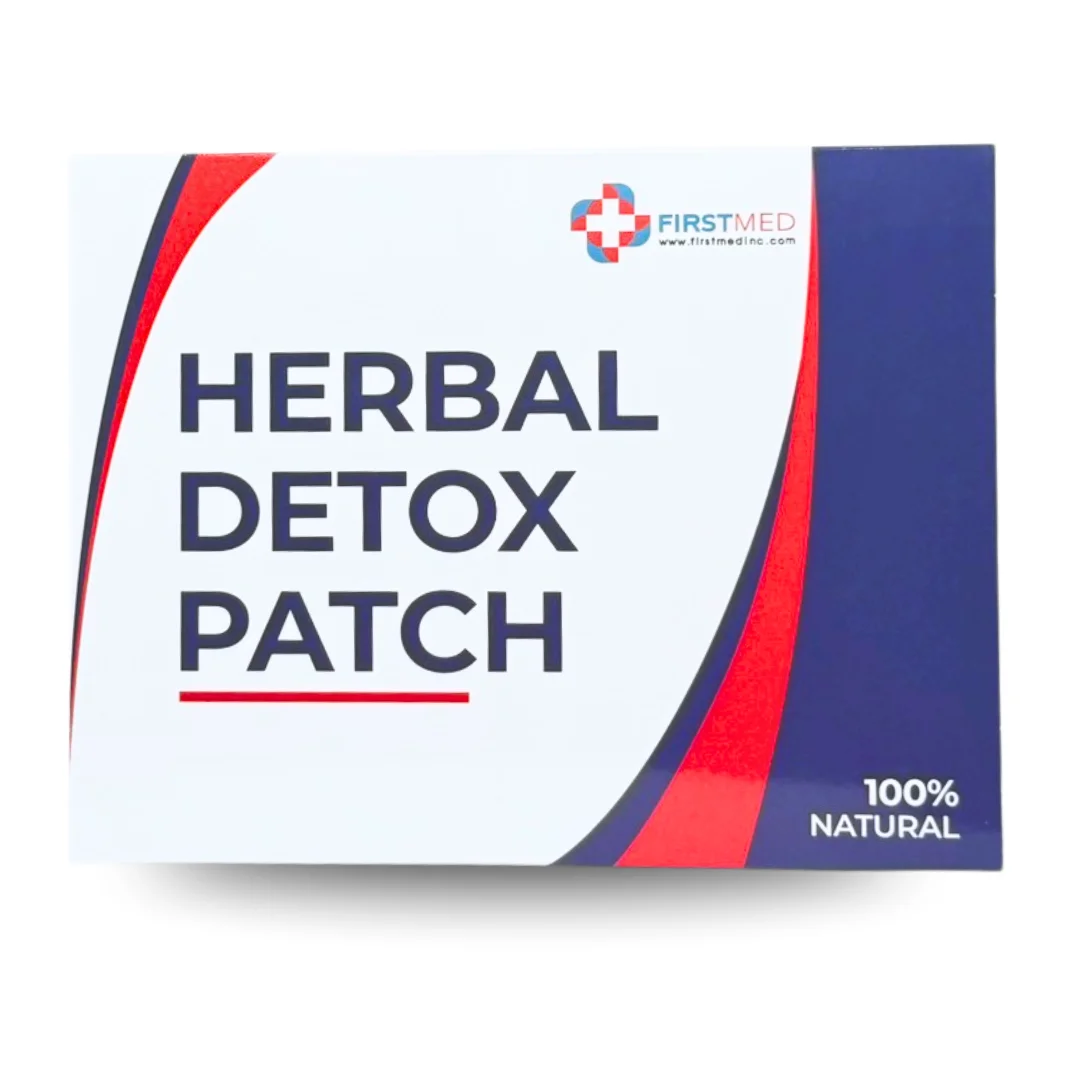
"Organic nicotine patches" is one of the more common searches in this category, and it usually means one of two things. Some people want a patch that is certified organic in the formal sense. More often, people want a patch whose nicotine comes from a plant, with a short list of ingredients they recognise and nothing synthetic they can't identify.
Those are different things, and labels can blur them. This guide explains what the word organic means legally, why it's hard for a patch to earn it, and what you can check instead.
Our patch isn't certified organic
So there's no confusion: our patch has no organic certification, and we don't call it organic. What it does have is a nicotine source from a plant, natural tobacco extract, and three plant ingredients named on the label: resveratrol, liquorice root and clove. If plant-sourced nicotine and a readable label are what you're after, that's the part we can show you. If you need a certified organic product, this isn't it, and the rest of this guide explains what to look for.
What organic means on a US label
In the United States, the word organic on products made from farm ingredients is governed by the USDA National Organic Program. It's not a loose description. Organic product labels must be reviewed and approved by a USDA-accredited certifying agent before they're used in the marketplace.
The rules set out four levels. A product labelled "100 percent organic" contains only organic ingredients, not counting salt and water. A product labelled "organic" contains at least 95 percent organic ingredients. "Made with organic" followed by up to three named ingredients means at least 70 percent organic ingredients, and that product can't carry the USDA organic seal or call itself organic. Below 70 percent, organic ingredients can only be marked as organic in the ingredient list, and the word organic can't appear on the front of the pack.
Why a whole patch rarely qualifies
A patch isn't a farm product. A large share of any patch is its backing film, its adhesive and its release liner, and those are made from polymers rather than crops. The nicotine and any botanicals are a small part of the total. That makes it very hard for a whole patch to reach the 95 percent needed to be labelled organic, even if every plant ingredient in it were certified.
It's possible for a patch to use a certified organic plant ingredient. In that case the honest label would name that ingredient as organic in the ingredient list, not describe the whole patch as organic. If a patch calls itself organic without a certifier's name or seal, it's worth asking what exactly is certified, and by whom.
"Natural" has no certification behind it
Organic at least has a rulebook. Natural, herbal and plant-based don't come with a certification scheme of their own. They describe where ingredients come from, and that can be useful information, but nobody checks the word before it goes on the box.
That doesn't make those words meaningless. It means you have to look past them to the ingredient list. A label that says natural and then names every ingredient is giving you something you can check. A label that says natural and lists a "herbal blend" isn't.
Plant-sourced nicotine is still nicotine
All nicotine comes from plants originally, mostly tobacco. When a label names natural tobacco extract as the nicotine source, it's telling you where the nicotine came from, not that it's weaker or different. The molecule is the same and it acts on the body the same way.
So a plant-sourced or "natural" nicotine patch still needs the same care as any nicotine product. It's for adults who already use nicotine, and patches, used ones included, should be kept away from children and pets.
What to check instead
If what you want is a clean, plant-led patch, these are the things a label can actually show you. First, the nicotine source, named, and the amount per patch in milligrams. Second, every other ingredient, named one by one rather than grouped into a blend. Third, if the word organic appears anywhere, a certifier's name or the USDA seal, and which ingredients it applies to.
Then check the basics you'd check on any patch: the wear time it's designed for, the number of patches in the box and the price per patch, and how to reach the seller. Our buying guide goes through those in more detail.
Questions to ask a seller who says organic
If a patch is sold as organic, a fair seller should be able to answer a few plain questions. Who certified it? In the US that's a named certifying agent accredited by the USDA, not the brand itself. Which ingredients are certified? Is it the whole patch, or one plant extract inside it? What share of the patch is organic by the rules above? And can they show you the certificate?
None of those questions is hostile. A product that has earned the word will have the answers ready, because its label had to be reviewed and approved by that certifier before it was used. A product that uses the word loosely usually won't. Either way, the answers tell you what you're paying for.
The same goes for natural and herbal. Ask which ingredients the word refers to, and look for each one named on the label. Specific answers are a good sign; a vague one about a blend or a philosophy is not.
How our label answers those questions
Nicotine source: natural tobacco extract, 7 mg per patch. Other ingredients: resveratrol, a polyphenol found in red grape skins; liquorice root, from Glycyrrhiza glabra; and clove, whose main compound is eugenol. Organic certification: none, and we don't claim one. Wear: one patch a day. Count: 30 patches a box.
The home page links to published reviews on each botanical if you want to read about them. Those reviews cover the ingredients on their own and are not studies of this patch.
The short version
Organic is a regulated word in the US, checked by accredited certifiers, and a whole nicotine patch rarely meets the bar because most of it isn't made from crops. Natural and herbal describe sources but aren't certified. If you want a plant-sourced patch, read past the front of the box to the named nicotine source and a full ingredient list, and treat any organic claim without a certifier as a question rather than an answer.